Inclusivity and Diversity in Nightlife

Night culture, often described as the heartbeat of urban life after sunset, reflects how societies embrace nightlife, leisure, and social interaction beyond daylight hours. While daytime activities are often linked to work, routine, and responsibilities, the night offers a space for freedom, creativity, and expression. It is in this realm that cities transform, revealing a side of life that is both exciting and mysterious.

At the core of night culture are entertainment and social gatherings. Clubs, bars, live music venues, and theaters become hubs where people gather to relax, celebrate, or simply escape the pressures of daily life. Music plays a central role in shaping night culture; from pulsating electronic beats in nightclubs to soulful jazz in intimate bars, sound defines 청주출장마사지 the ambiance of the night. Festivals and concerts, often scheduled in the evening, enhance communal experiences and create lasting memories that extend beyond the ordinary.

Food and dining are also integral elements of night culture. Late-night eateries, street food stalls, and 24-hour cafes cater to night owls and travelers alike, offering diverse culinary experiences. The rise of food markets operating after dusk illustrates a shift in cultural habits, where dining becomes a social adventure rather than a mere necessity. Sharing meals in the late hours encourages conversation and connection, strengthening social bonds in ways that daylight routines sometimes cannot.

Art and creativity thrive under the cover of night. Night markets, art exhibitions, and pop-up events provide platforms for artists to experiment and for audiences to engage in novel experiences. Cities like Tokyo, Berlin, and New York are celebrated for their vibrant night scenes, where creativity and innovation flourish in unexpected spaces. Even street art and urban installations often gain prominence at night, illuminated by artificial light, which adds layers of meaning and atmosphere to public spaces.

Night culture is not limited to urban centers. Rural and suburban areas also exhibit unique nocturnal traditions, from bonfires and night fairs to stargazing events and night-time cultural rituals. These practices highlight the universal human fascination with the night and the ways people adapt their lifestyles to enjoy and celebrate it.

However, night culture is not without challenges. Safety, noise, and accessibility are ongoing concerns. Cities that successfully balance these factors often develop night economies that are both vibrant and sustainable, supporting local businesses and tourism while ensuring community well-being. Regulations, lighting, and transportation play crucial roles in creating environments where night culture can flourish responsibly.

Ultimately, night culture represents more than just parties or entertainment—it reflects a society’s values, creativity, and social dynamics. It encourages connection, exploration, and the appreciation of life beyond conventional schedules. As cities around the world continue to evolve, night culture remains a vital and dynamic aspect of urban living, offering a window into the energy, diversity, and spirit that thrives after the sun sets.
Night Cruises and Their Cultural Appeal

Night culture refers to the social, artistic, and recreational activities that flourish after sunset. Across the globe, the night has a distinct energy, one that contrasts with the structured routines of daytime life. From bustling nightlife districts to quiet midnight gatherings, night culture shapes how communities connect, express themselves, and experience the world in a unique light.

One of the most visible aspects of night culture is nightlife. Cities like New York, Tokyo, and Berlin are renowned for their clubs, bars, and live music venues. Nightclubs, in particular, are cultural hubs where music, fashion, and social interaction converge. DJs and live performers create immersive experiences that attract diverse audiences seeking both entertainment and escapism. Bars and lounges, meanwhile, provide spaces for more intimate 방콕밤문화 socializing, fostering connections among friends or strangers. Nightlife is not merely about leisure; it reflects local tastes, trends, and the evolving identities of urban populations.

Night culture is also closely linked to arts and performance. Theaters often stage late-night shows, while galleries and museums sometimes host evening exhibitions. Street art and illuminated installations transform urban landscapes after dark, giving cities a second life once the sun sets. Festivals that extend into the night—like lantern or light festivals—blend art, tradition, and community, highlighting the creativity that thrives after hours. For many artists, the night is an inspiring canvas, offering a quiet or surreal atmosphere that daytime cannot replicate.

Food culture is another integral part of night life. Night markets, food trucks, and late-night eateries provide a mix of convenience and culinary exploration. In many Asian and Latin American cities, night markets are not only about food but also about social interaction, shopping, and entertainment. Similarly, 24-hour cafes and street food vendors in Western cities cater to night owls, students, and workers who seek sustenance and social connection during unconventional hours.

Night culture also reflects societal dynamics and lifestyle patterns. Shift workers, creatives, and students often find a sense of community during night hours. For some, the night represents freedom from societal expectations, enabling experimentation with fashion, music, and social behavior. However, the night is not without challenges: safety, noise, and accessibility issues can limit participation, highlighting the importance of urban planning and community support in sustaining vibrant night culture.

Moreover, night culture fosters global exchange. Tourism thrives on nighttime attractions, from neon-lit streets to historic evening tours. Travelers experience local traditions, music, and cuisine in ways they cannot during the day, deepening cultural understanding and economic activity.

In conclusion, night culture is a rich and multifaceted phenomenon that reflects the creativity, sociality, and diversity of human life after dark. It encompasses entertainment, art, food, and social connection, offering a unique lens through which to experience the world. By celebrating and supporting night culture, cities and communities can enrich urban life, foster creativity, and provide spaces for people to connect in ways that daylight hours often cannot accommodate. The night is alive, vibrant, and essential to the cultural fabric of society.

The Psychology Behind Nighttime Fun

Night culture represents the dynamic social, artistic, and entertainment practices that come alive after the sun sets. Across the globe, cities transform at night, revealing a side of urban life that is distinct from the daytime routine. From bustling nightlife districts to intimate underground scenes, night culture captures the essence of human creativity, freedom, and community.

One of the most visible aspects of night culture is nightlife entertainment. Bars, nightclubs, and live music venues provide spaces where people gather to socialize, dance, and enjoy performances. Cities like Berlin, New York, and Tokyo are famous 방콕유흥 for their vibrant nightlife, offering diverse music scenes from electronic dance music to jazz and indie rock. Nightlife is not just about entertainment; it is also a reflection of societal trends, fashion, and identity, allowing individuals to express themselves in ways that daytime settings may not permit.

Food culture also thrives at night. Late-night eateries, street food vendors, and night markets cater to those who seek culinary experiences after dark. In places like Bangkok or Mexico City, night markets are cultural hubs where locals and tourists alike enjoy a combination of food, shopping, and live entertainment. These nocturnal food traditions are more than just sustenance—they create social spaces where stories are shared, friendships are forged, and cultural heritage is celebrated.

Art and performance are integral to night culture as well. Many cities host night-time art exhibitions, theater performances, and festivals. Events like Nuit Blanche in Paris or the White Night festivals in Melbourne and Toronto turn the entire city into a canvas for creativity. These nighttime events provide opportunities for artists to experiment with light, sound, and interactive installations, transforming ordinary spaces into extraordinary experiences.

Night culture also encompasses alternative and underground movements. Subcultures, such as rave scenes, goth communities, and late-night poetry gatherings, often emerge during nighttime hours. These spaces offer inclusivity and freedom, attracting individuals who seek unconventional forms of expression. By challenging mainstream norms, these communities enrich the cultural landscape, making night culture a hub for innovation and experimentation.

However, night culture is not without challenges. Safety, noise, and environmental concerns can arise in areas with dense nighttime activity. Effective urban planning, law enforcement, and community engagement are essential to balance the vibrancy of night life with the well-being of residents. Despite these challenges, the positive impact of night culture on local economies, tourism, and social cohesion is significant.

In essence, night culture represents a celebration of life after dark. It allows people to explore their creativity, form meaningful connections, and experience their cities in a new light. Whether through music, art, food, or social gatherings, the nighttime offers a unique rhythm that enriches human experience. By embracing and nurturing night culture, cities and communities can ensure that the magic of night continues to inspire and connect people around the world.

Evolution of Modern Massage Therapy

Massage therapy has been practiced for thousands of years as a natural way to relieve stress, reduce pain, and promote overall well-being. Today, it remains one of the most popular holistic treatments worldwide. Whether you are seeking relaxation after a long day, recovery from muscle soreness, or simply a way to improve circulation, massage can provide numerous benefits. This guide will walk you through the essentials of massage therapy, different types 출장마사지 of techniques, and tips for making the most of your massage experience.

Benefits of Massage

Massage offers both physical and mental health benefits. Some of the key advantages include:

  1. Stress Reduction – Massage helps lower cortisol levels and encourages relaxation, making it an effective remedy for anxiety and daily stress.

  2. Pain Relief – By targeting sore muscles and trigger points, massage can ease chronic pain conditions like back pain, arthritis, and migraines.

  3. Improved Circulation – The rhythmic movements stimulate blood flow, bringing oxygen and nutrients to tissues while helping flush out toxins.

  4. Better Sleep – Regular massage promotes deeper, more restful sleep by calming the nervous system.

  5. Enhanced Flexibility – Massage helps release muscle tightness and improve joint mobility, which is particularly beneficial for athletes.

Popular Massage Techniques

There are many massage styles, each with unique benefits. Some of the most popular include:

  • Swedish Massage: Known for gentle strokes and kneading, it’s ideal for relaxation and stress relief.

  • Deep Tissue Massage: Targets deeper muscle layers to release chronic tension and stiffness.

  • Aromatherapy Massage: Combines essential oils with massage to enhance mood and relaxation.

  • Hot Stone Massage: Uses heated stones to ease muscle tension and increase circulation.

  • Thai Massage: A more active style that includes stretching, pressure, and assisted yoga-like movements.

  • Sports Massage: Focused on athletes, this technique helps prevent injuries and speeds up recovery.

Tips for an Effective Massage Experience

To maximize the benefits of massage, consider the following tips:

  1. Communicate with Your Therapist – Always let your massage therapist know about your preferences, pain points, or areas you’d like them to focus on.

  2. Stay Hydrated – Drink water before and after your session to help flush out toxins released during massage.

  3. Relax Your Mind and Body – Try deep breathing to calm yourself and fully enjoy the session.

  4. Schedule Regular Sessions – For long-term benefits, make massage a part of your self-care routine.

  5. Choose the Right Style – Select the massage technique that best matches your goals, whether it’s relaxation, pain relief, or recovery.

Massage therapy is much more than a luxury—it is a powerful tool for maintaining physical and emotional health. From reducing stress to alleviating chronic pain, the benefits are numerous and scientifically supported. With various techniques available, you can find a style that suits your needs and lifestyle. By following this massage guide and incorporating regular sessions into your routine, you’ll enjoy improved well-being, balance, and vitality.

How to Market Your Massage Services

Massage therapy has been practiced for centuries as a natural way to promote relaxation, relieve pain, and improve overall health. Whether you are seeking stress relief, muscle recovery, or simply a moment of calm, understanding the basics of massage can help you make the most of the experience. This guide will walk you through the types of massage, their benefits, and helpful tips to ensure you get the best results.

Understanding Massage Therapy

Massage is the practice of applying pressure, movement, and manipulation to muscles and soft tissues of the body. It is often performed with the hands, fingers, elbows, or specialized tools. The main goal is to improve circulation, ease muscle 여수출장마사지 tension, and promote relaxation. Modern massage combines both ancient traditions and medical knowledge, making it suitable for people of all ages.

Popular Types of Massage

  1. Swedish Massage – Known as the most common type, this uses long strokes, kneading, and circular movements. It is ideal for beginners and promotes relaxation and improved blood circulation.

  2. Deep Tissue Massage – Focuses on deeper layers of muscles and connective tissues. It is recommended for chronic pain, stiffness, and athletes recovering from injuries.

  3. Aromatherapy Massage – Combines gentle massage techniques with essential oils. Each oil has unique properties, such as lavender for relaxation or peppermint for energy.

  4. Hot Stone Massage – Warm stones are placed on specific points of the body to release muscle tension and increase blood flow.

  5. Thai Massage – Involves stretching, pressure, and yoga-like movements. It helps improve flexibility, balance, and energy flow.

Health Benefits of Massage

Massage is more than just a luxury; it provides numerous physical and mental health benefits. Some of the most recognized include:

  • Stress Relief: Reduces cortisol levels and promotes a sense of calm.

  • Pain Management: Alleviates back pain, headaches, and joint stiffness.

  • Improved Circulation: Boosts blood flow, helping muscles receive more oxygen and nutrients.

  • Better Sleep: Encourages deeper and more restful sleep patterns.

  • Mental Clarity: Helps reduce anxiety and improve focus.

Tips for a Better Massage Experience

  1. Choose the Right Massage: Select a style based on your needs—relaxation, pain relief, or muscle recovery.

  2. Communicate with the Therapist: Let them know about any injuries, pressure preferences, or sensitive areas.

  3. Stay Hydrated: Drink water before and after your session to flush out toxins.

  4. Arrive Early and Relaxed: Take a few minutes to calm your mind before the session.

  5. Aftercare Matters: Rest and avoid strenuous activity immediately after to maximize benefits.

Massage therapy is an excellent way to take care of your body and mind. From easing physical pain to lowering stress levels, its benefits are both immediate and long-term. By understanding the different types of massage and following simple preparation tips, you can enjoy a personalized and deeply restorative experience. Whether done professionally or with simple techniques at home, massage remains one of the most effective methods of promoting overall well-being.

How Virtual Offices Simplify Remote Communication

In the rapidly evolving business landscape, traditional office spaces are no longer the only option for companies seeking productivity and professionalism. The concept of a virtual office has emerged as a flexible, cost-effective solution that allows businesses to operate efficiently without the overhead of a physical workspace. This innovative approach combines technology, connectivity, and modern business services to meet the demands of the digital age.

A virtual office provides businesses with a professional address and communication services without requiring employees to be physically present. This setup allows companies to project a Company address professional image while saving significantly on rent, utilities, and maintenance costs associated with conventional offices. For startups, freelancers, and small businesses, this model is particularly advantageous, offering them access to high-quality office services at a fraction of the price.

One of the key features of a virtual office is a professional business address. Companies can use this address on their websites, business cards, and official documents, which adds credibility and builds trust with clients. Additionally, many virtual office providers offer mail handling and forwarding services, ensuring that correspondence is received and managed efficiently, even if the team is working remotely.

Another critical aspect is telecommunication services. Virtual offices often include dedicated phone numbers, call forwarding, and reception services. Calls can be answered professionally in the company’s name, and messages can be forwarded to the relevant team members regardless of their location. This ensures that businesses maintain seamless communication with clients, partners, and suppliers, even without a physical office.

Virtual offices also cater to the growing trend of remote work. Employees can work from anywhere in the world, accessing necessary resources online and collaborating through cloud-based tools. This model not only increases flexibility but also attracts talent from diverse geographical locations, enabling businesses to tap into a global workforce.

Moreover, virtual offices often provide access to meeting rooms and coworking spaces on an as-needed basis. This allows companies to hold face-to-face meetings, presentations, or training sessions without committing to a full-time office lease. The pay-as-you-go approach provides both flexibility and cost savings, making it an ideal solution for businesses with fluctuating space requirements.

In addition to practical benefits, virtual offices also contribute to sustainability. By reducing the need for daily commuting and minimizing office energy consumption, companies can lower their carbon footprint, supporting environmentally friendly business practices.

In conclusion, the virtual office is not merely a temporary solution for remote work; it is a transformative approach to modern business operations. By offering professional services, cost efficiency, and flexibility, virtual offices empower companies to focus on growth and innovation without the constraints of a traditional office setup. As businesses continue to embrace digital transformation, the virtual office is poised to become a cornerstone of the contemporary workplace, reshaping how work is done in the 21st century.

Seating That Supports Focus and Collaboration

When it comes to organizing events—whether it’s a corporate conference, a live performance, or a sports match—seating plays a vital role in shaping the audience’s experience. While most planners focus on lighting, sound, or stage design, the quality of the seating is just as critical. After all, no matter how engaging the event is, discomfort can quickly distract attendees and reduce their overall enjoyment. That’s why modern seating solutions are increasingly being engineered for optimal support, designed to ensure comfort for hours on end.

Ergonomics at the Core

The foundation of comfort lies in ergonomics. Ergonomically designed seating takes into account the natural alignment of the spine, proper posture, and weight distribution. Seats with lumbar support, contoured backrests, and cushioned bases auditorium seats help prevent strain on the lower back and neck—two areas most commonly affected by prolonged sitting. By minimizing fatigue, ergonomic seating allows audiences to stay focused on the event rather than their discomfort.

High-Quality Materials for Long-Lasting Comfort

The choice of materials significantly impacts both comfort and durability. Memory foam, high-density cushioning, and breathable fabrics are commonly used to maintain comfort over extended periods. Ventilated designs prevent heat buildup, ensuring that attendees remain cool even in packed auditoriums. Meanwhile, sturdy yet lightweight frames make the seats easy to maintain without compromising on resilience.

Adaptability for Different Venues

Not all events are the same, and neither are the seating requirements. Concert halls may prioritize acoustics and sightlines, while sports arenas must consider durability and crowd management. Modern seating solutions are versatile, offering adjustable features like reclining mechanisms, armrests, or spacing configurations. This adaptability ensures that no matter the setting, the audience experiences maximum comfort without sacrificing functionality.

Enhancing the Audience Experience

Comfortable seating does more than prevent aches—it actively enhances the audience experience. At long conferences, for instance, attendees can remain engaged for several hours without distraction. In theaters, ergonomic chairs allow audiences to immerse themselves fully in the performance. For stadiums, well-designed seating can reduce restlessness, encouraging fans to focus on the game and creating a more vibrant atmosphere.

Accessibility and Inclusivity

Seating engineered for support also considers inclusivity. Wider seats, accessible rows, and adaptive designs ensure that individuals of all body types and mobility levels can enjoy events without discomfort. Providing equal comfort for all attendees reflects a venue’s commitment to accessibility and improves its reputation among diverse audiences.

A Long-Term Investment

For event organizers and venue owners, investing in high-quality, supportive seating is not just about comfort—it’s about value. Comfortable guests are more likely to return for future events, recommend the venue, and contribute to positive word of mouth. Additionally, well-engineered seating is built to last, reducing long-term replacement and maintenance costs.

Seating is often overlooked in event planning, but it is one of the most influential aspects of audience satisfaction. By prioritizing ergonomics, high-quality materials, adaptability, and inclusivity, seating can transform an event from a test of endurance into a memorable and enjoyable experience. In a world where audience expectations continue to rise, investing in seating engineered for optimal support is not just a luxury—it’s a necessity for ensuring comfort, engagement, and lasting impressions.

Search for Missing Relatives Using a People Finder

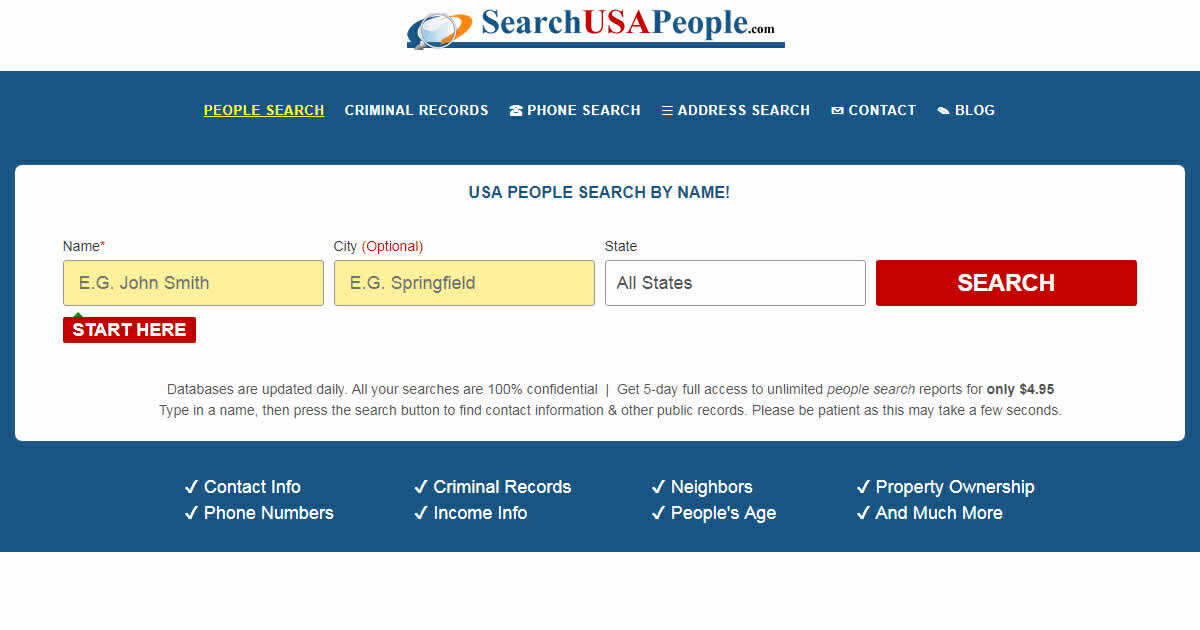
In an age where information is at our fingertips, specialized people search engines have emerged as powerful tools for locating individuals and verifying essential information. These platforms scour billions of public records to provide comprehensive data on a person, making it easier than ever to find contact details person lookup service, verify addresses, and uncover various personal attributes. This article explores how these search engines work and highlights some of the best options available in the USA.

What Are Specialized People Search Engines?

Specialized people search engines are online services designed to help users find information about individuals by accessing extensive databases of public records. These records can include:

  • Contact Information: Phone numbers, email addresses, and mailing addresses.
  • Social Media Profiles: Links to a person’s social media accounts.
  • Financial Information: Details about income, assets, and property ownership.
  • Criminal Records: Information regarding any criminal history or court cases.
  • Background Information: Employment history, education, and more.

By leveraging advanced algorithms and vast databases, these search engines provide users with detailed reports that can be invaluable for personal or professional reasons.

How Do They Work?

These search engines collect data from numerous public records, including:

  • Government databases (property records, voter registrations)
  • Court records (criminal and civil cases)
  • Social media platforms
  • Online directories and public listings

When a user inputs a name, address, or phone number, the search engine sifts through its databases to compile relevant information, presenting it in an easy-to-read format. Many of these services operate on a subscription model or charge per report.

Benefits of Using People Search Engines

  1. Finding Missing Persons: Whether you’re trying to reconnect with an old friend or locate a family member, these tools can help you find individuals who may be difficult to track down.
  2. Verifying Information: Before entering into a business relationship or making significant decisions, you can verify someone’s identity, address, and background.
  3. Conducting Background Checks: Employers often use these services to conduct preliminary background checks on potential hires, ensuring they are making informed decisions.
  4. Uncovering Hidden Assets: If you’re involved in legal matters, such as divorce or business disputes, these tools can help uncover hidden assets or income.

Top Specialized People Search Engines in the USA

1. BeenVerified

BeenVerified is a comprehensive people search engine that offers access to a wide array of public records. Users can search for contact information, social media profiles, and even criminal records. The user-friendly interface makes it easy to navigate and obtain the necessary information.

2. TruthFinder

TruthFinder is known for its detailed reports and deep web searches. It provides insights into criminal records, financial information, and social media activity. This platform is especially useful for those needing thorough background checks.

3. Intelius

Intelius offers a range of services, including reverse phone lookup, address verification, and public records searches. The platform is designed for both personal use and business needs, making it versatile for various users.

4. PeopleFinder

PeopleFinder provides quick access to contact information and background checks. It’s particularly useful for finding individuals’ addresses and phone numbers. The platform also offers a user-friendly mobile app.

5. ZabaSearch

ZabaSearch is a free people search engine that aggregates information from various public records. While it may not provide as comprehensive reports as paid services, it’s a good starting point for basic searches.

Conclusion

Specialized people search engines have revolutionized the way we access information about individuals. Whether you need to verify an address, lookup someone’s contact information, or conduct a background check, these tools provide invaluable resources. With a variety of options available, users can choose the service that best fits their needs, ensuring they have the information necessary for making informed decisions. Always remember to use this information responsibly and ethically, respecting individuals’ privacy and legal guidelines.

Ensuring Confidentiality in Supplier Agreements

When it comes to furniture hardware, drawer slides are among the most critical components that ensure smooth, durable, and functional performance. Whether you are a furniture manufacturer, a wholesaler, or a retailer, choosing the right drawer slides manufacturer and supplier can make a significant difference in product quality, customer satisfaction, and overall business success. Below are essential tips to help you navigate the process of selecting and working with drawer slide manufacturers and suppliers effectively.

1. Evaluate Product Quality

Quality should be your first priority when sourcing drawer slides. Poorly made slides can lead to complaints about jamming, noise, or instability. Look for manufacturers who use high-grade materials such as cold-rolled steel or stainless Drawer Slides Supplier steel and test their products for durability. Features such as smooth ball-bearing mechanisms, corrosion resistance, and weight-bearing capacity should be verified before making large orders.

2. Check Manufacturing Standards

Reputable suppliers follow strict quality control processes and comply with international standards such as ISO or ANSI. Before partnering, inquire about the certifications the manufacturer holds. These certifications ensure that the slides meet industry benchmarks for strength, durability, and performance.

3. Consider Customization Options

Not all furniture projects require the same type of drawer slides. Some may need soft-close technology, push-to-open mechanisms, or heavy-duty slides for industrial use. A reliable manufacturer should be flexible enough to provide customization options that fit your specific requirements. This adaptability can help you stand out in the market with unique and high-quality furniture solutions.

4. Evaluate Supply Capacity and Lead Times

A strong supply chain is vital for consistent production. Ensure that your supplier can handle your order volume and deliver within your required timelines. Delays in drawer slide shipments can disrupt furniture production schedules and lead to customer dissatisfaction. Long-term partnerships should be based on reliability and consistency.

5. Compare Pricing Without Compromising Quality

Cost is always a factor, but it should not overshadow quality. The cheapest option may result in lower performance and higher replacement costs in the long run. Compare quotes from multiple manufacturers and aim for a balance between price and quality. Look for suppliers who offer bulk discounts without sacrificing durability and reliability.

6. Assess After-Sales Support

Good suppliers don’t stop at delivery; they also provide after-sales support. Whether it is handling defective pieces, offering warranties, or providing technical advice, after-sales service plays a vital role in building a sustainable business relationship.

7. Research Market Reputation

Before finalizing a manufacturer or supplier, do thorough research. Check customer reviews, testimonials, and case studies. Reputable companies will have a track record of delivering reliable drawer slides to global clients. If possible, request product samples to test the quality yourself before committing to large purchases.

8. Build Long-Term Relationships

Establishing a strong relationship with your supplier can lead to better pricing, priority service, and improved cooperation. Treating suppliers as partners rather than just vendors fosters trust and ensures smoother transactions in the long run.

Choosing the right drawer slides manufacturer and supplier is not just about sourcing hardware—it’s about securing the quality and reliability of your entire furniture line. By prioritizing product quality, certifications, customization, and strong supplier relationships, you can ensure that your business delivers durable, functional, and customer-approved furniture every time.

Drawer Slide Manufacturer Discounts: How to Qualify

When it comes to furniture and cabinetry, drawer slides play a crucial role in ensuring smooth functionality, durability, and user satisfaction. Whether you are a furniture manufacturer, wholesaler, or retailer, working with the right drawer slides manufacturer and supplier can make a significant difference in the quality of your products and the satisfaction of your customers. Below are some essential tips to help you choose the right partners and make the most out of your sourcing decisions.

1. Assess Product Quality

The first and most important factor is the quality of drawer slides. A reliable manufacturer should provide slides that are durable, smooth in operation, and capable of bearing the required load. Always check for materials such as cold-rolled steel or stainless steel, as they provide better strength and resistance to wear. Test samples before placingDrawer Slides Manufacturer bulk orders to ensure the slides meet your performance standards.

2. Look for a Wide Product Range

A good supplier should offer a wide range of drawer slides, including soft-close slides, undermount slides, side-mount slides, and heavy-duty slides. Different projects require different slide types, so working with a manufacturer that provides multiple options will give you flexibility and save you from having to source from multiple vendors.

3. Verify Certifications and Standards

Professional manufacturers often comply with international quality standards such as ISO, SGS, or RoHS. These certifications ensure that the drawer slides meet safety, environmental, and durability benchmarks. Verifying these credentials adds an extra layer of assurance before finalizing your supplier.

4. Evaluate Production Capacity

When dealing with large-scale projects, production capacity matters. Ensure that the manufacturer can handle bulk orders within your required timelines without compromising quality. Delays in supply can impact your production schedule and cause dissatisfaction among your customers.

5. Consider Customization Options

Every furniture project has unique requirements. Some may require specific sizes, finishes, or load-bearing capacities. Partner with manufacturers who offer customization services, allowing you to get drawer slides tailored to your exact specifications. This can give your products a competitive advantage in the market.

6. Check Pricing and Value

While cost is an important consideration, the cheapest option isn’t always the best. Focus on value rather than price alone. Compare quotes from multiple suppliers and balance cost with quality, warranty, and customer support. Long-term value is always more important than short-term savings.

7. Inspect Packaging and Shipping Practices

Drawer slides are delicate components that can be damaged if not packed properly. A good supplier will use protective, durable packaging to ensure the slides reach you in perfect condition. Additionally, check if they have reliable shipping channels that can deliver on time.

8. Build Long-Term Relationships

Finally, aim to build long-term relationships with your suppliers. A trusted manufacturer can become a valuable partner, offering better deals, priority service, and quicker response to your needs. Strong relationships often lead to smoother transactions and consistent product supply.

Choosing the right drawer slides manufacturer and supplier is a strategic decision that directly impacts your product quality and brand reputation. By focusing on quality, certifications, customization, and supplier reliability, you can ensure a steady supply of top-notch drawer slides that enhance your furniture projects and boost customer satisfaction.